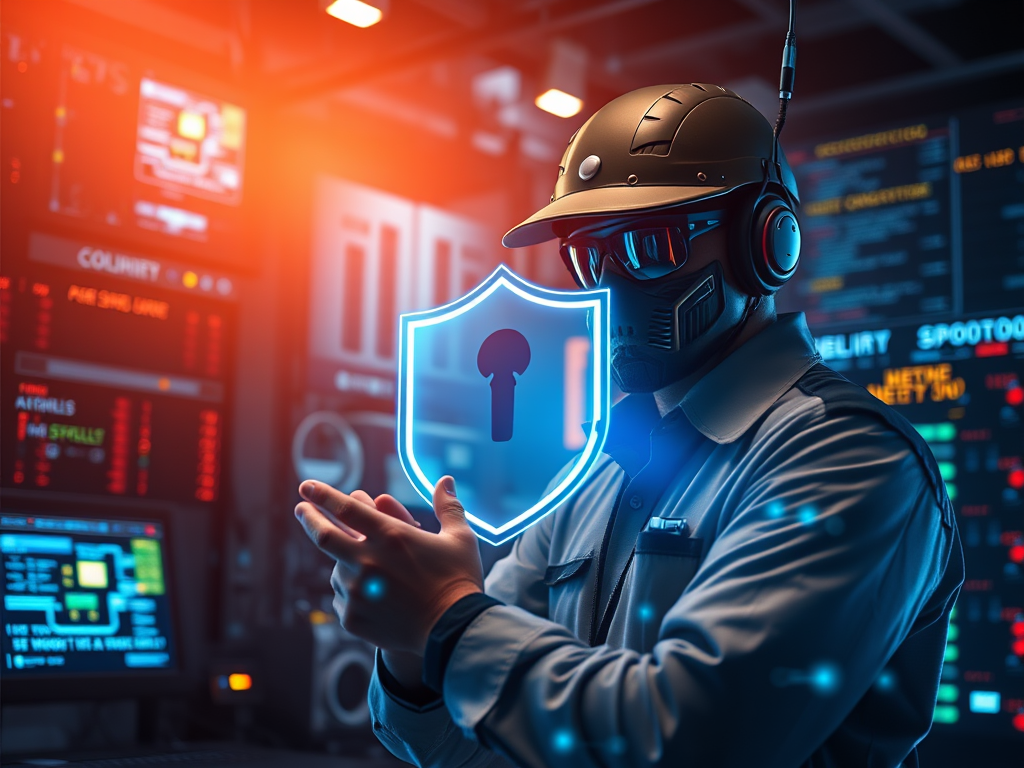
Security & Monitoring
The Network Administrator as Guardian
Every connection you create is a potential doorway — and part of your job is deciding who gets to walk through.
Security and monitoring aren’t just about firewalls or passwords — they’re about awareness. They’re about seeing your network as a living system that needs both freedom and protection.
As networks grow more complex, the risks grow too. Every open port, every misconfiguration, every weak password can become a vulnerability.
That’s why great administrators aren’t just builders — they’re guardians.
Why This Matters
It only takes one weak point to compromise an entire organization.
Security isn’t a checklist — it’s a mindset. You’ll learn to approach systems with both curiosity and caution: understanding how attacks happen, how to detect them, and how to prevent them before they spread.
Monitoring, meanwhile, keeps you proactive. Instead of waiting for something to break, you’ll be watching patterns and catching problems in real time.
Learn as You Go: Tasks for This Module
1. Explore Network Security Basics
Research the most common threats to network infrastructure:
- Spoofing
- Sniffing
- Denial of Service (DoS / DDoS)
- Malware and phishing
For each, describe in your own words how the attack works and one practical way to prevent it.
2. Configure Access Control
Access control lists (ACLs) and firewalls are your first line of defense.
- Research what an ACL is and how it filters traffic.
- Create a simple example rule (e.g., “deny traffic from 10.10.10.5 to port 80”).
- Explain why rule order matters.
Optional: In a simulator or virtual router, practice setting up a basic firewall rule.
3. Monitor Network Traffic
Monitoring tools like Wireshark, SolarWinds, or PRTG help you see what’s happening on your network.
- Capture a few packets using Wireshark (or review a sample capture online).
- Identify the source IP, destination IP, and protocol.
- Reflect on what the data reveals about how your network behaves.
Deliverable: Network Security Audit
Create a one-page summary or slide deck that includes:
- A list of five potential security threats in your environment.
- Screenshots or mock examples of ACL or firewall rules.
- A short reflection on what “proactive monitoring” means to you as an admin.
- Optional: screenshots from a packet capture or network monitoring tool.
Save it as “Part 6 — Network Security Audit” in your Knowledge Base or project folder.
Reflection: What You’ll Notice
When you begin monitoring your own traffic, you’ll realize how much is happening behind the scenes.
The goal isn’t to block everything — it’s to control access, protect data, and keep systems running smoothly.
Once you start thinking like a security professional, you stop reacting — and start anticipating. That’s what separates good admins from great ones.
Next Up: Part 7 — Cloud & Remote Networks
Security doesn’t stop at the office.
Next, we’ll take what you’ve learned and apply it to cloud-based and remote environments — exploring how hybrid networks connect securely across locations, platforms, and people.
 RiseWithTech
Leave a comment